
Choosing the right clothing factory and OEM/ODM apparel manufacturer is one of the most important decisions for a clothing brand. A reliable manufacturing partner does more than sew garments: they help turn an idea into a repeatable product, control quality, manage production risks, and deliver clothing that matches your brand standards.
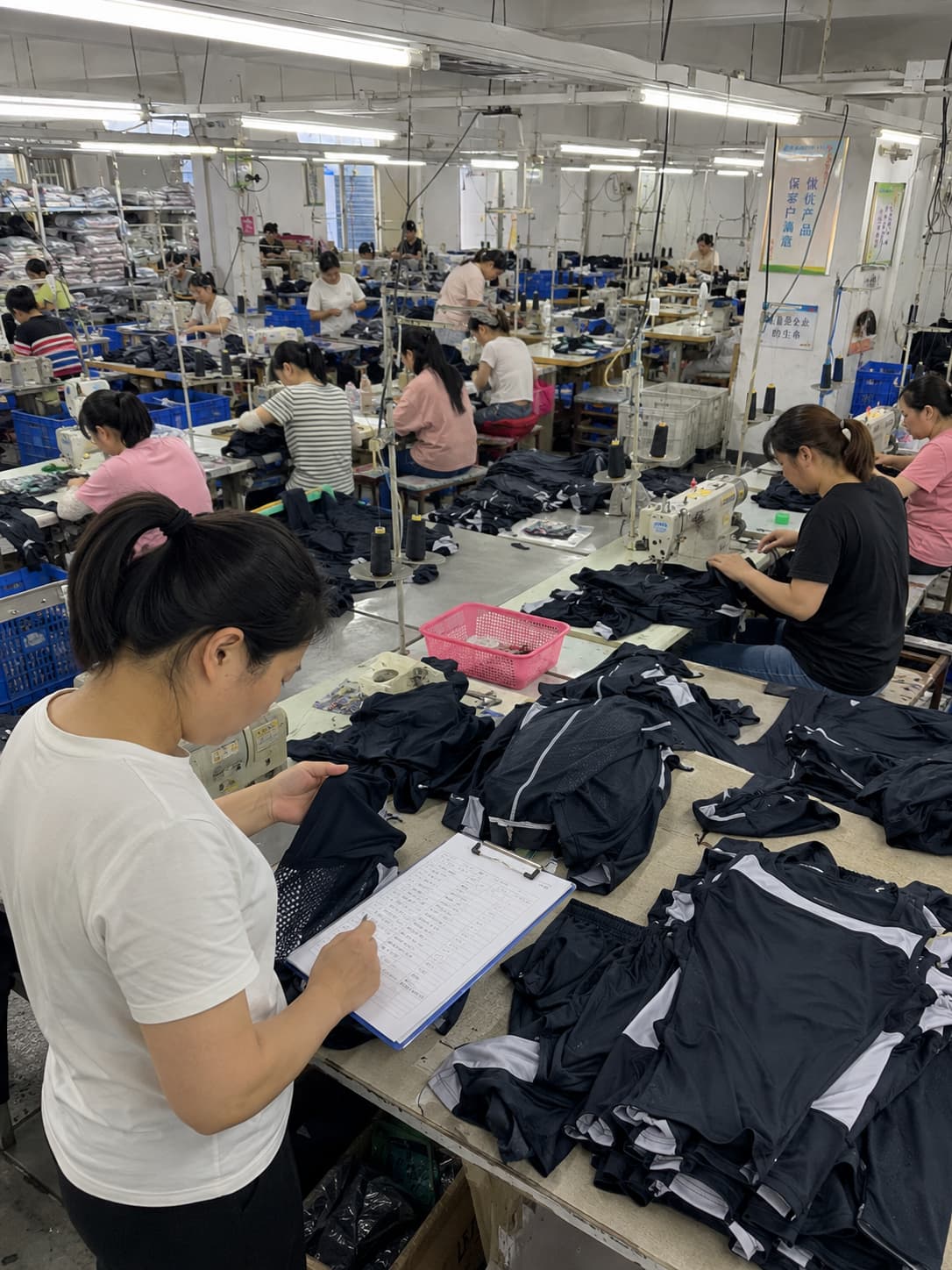
Whether you are launching a new private label, expanding an established collection, or developing uniforms and teamwear, understanding the custom clothing manufacturing process makes planning easier. A capable clothing factory can help turn this plan into consistent, market-ready apparel. This guide explains the key stages from the first design brief to final bulk shipment.
Clothing Factory Production Process: 7 Key Steps
What Is the Difference Between OEM and ODM Apparel Manufacturing?
OEM manufacturing means the factory produces garments according to your specifications. You provide the tech pack, artwork, measurements, fabric requirements, labels, packaging, and other product details. This option is ideal when your brand already has a clear design and wants consistent production from a dependable custom clothing manufacturer.
ODM manufacturing includes more product development support. The manufacturer can help with fabric selection, silhouettes, construction details, sampling, and design improvements. ODM is useful for startups and growing brands that have a product direction but need technical expertise to refine the final garment.
Step 1: Share Your Product Brief and Tech Pack
A strong project begins with clear information. Send your manufacturer the product category, target customer, reference images, estimated order quantity, size range, color requirements, delivery target, and target price. If available, include a tech pack with flat sketches, measurements, construction details, fabric composition, trims, artwork, and labeling instructions.
The more complete the brief, the more accurately the factory can quote and develop your product. If some details are not final, identify them clearly so the manufacturer can recommend practical alternatives.
Step 2: Choose Fabrics, Trims, and Decoration Methods
Fabric affects comfort, appearance, durability, fit, production cost, and shipping weight. Depending on the product, your manufacturer may recommend cotton, cotton blends, polyester, fleece, French terry, nylon, or performance fabrics. Ask about fabric weight, shrinkage, colorfastness, pilling resistance, stretch recovery, and wash performance.
Trims and decoration also shape the customer experience. Options can include woven labels, printed labels, hangtags, zippers, drawcords, embroidery, screen printing, DTG, heat transfer, and other finishes. The right choice depends on the artwork, fabric, order quantity, and desired hand feel. You can also review our earlier guide comparing screen printing and DTG.
Step 3: Review the Quote and Production Plan From Your Clothing Factory
After reviewing your requirements, an OEM/ODM clothing factory should provide a quotation and production outline. A transparent clothing factory will explain what is included and how the production plan protects your timeline. Confirm what is included in the price: fabric, trims, decoration, labels, packaging, sampling, inspection, and shipping terms. Also clarify the minimum order quantity, sample fees, payment schedule, lead time, and whether the quotation changes at different order volumes.
A professional supplier will explain assumptions instead of hiding them. Request a written specification summary so both sides are working from the same product information before sampling begins.
Step 4: Develop and Approve the Sample
The sample is where a concept becomes a physical garment. The factory creates a first sample to evaluate the fit, fabric, construction, artwork placement, color, trims, and overall appearance. Depending on the product, additional rounds may be needed for fit corrections, fabric changes, or finishing adjustments.
When reviewing a sample, check the measurement chart, seam quality, stitching density, label position, print or embroidery quality, wash behavior, and the way the garment looks on the intended wearer. Give specific, organized feedback with annotated images or a revised tech pack. Once the sample is approved, keep an approval sample for production comparison.
Step 5: Confirm the Pre-Production Details
Before bulk manufacturing starts, confirm the final fabric, color standard, size specifications, approved artwork, packaging, carton markings, and quality requirements. This stage is often called pre-production approval. It is the final opportunity to correct details before materials are committed and the production line is scheduled.
For private label clothing, verify every brand element, including neck labels, care labels, hangtags, polybags, barcode stickers, and shipping cartons. Small inconsistencies can create unnecessary rework when they are discovered after bulk production.
Step 6: Manage Bulk Production and Quality Control
During bulk production, the clothing factory cuts, sews, decorates, finishes, inspects, and packs the garments. Quality control should cover measurements, fabric defects, color consistency, stitching, seam strength, decoration placement, labels, and packaging. A dependable clothing manufacturing partner should communicate progress and raise issues early when a material or production risk appears.
Brands may use in-line inspections during production and a final inspection before shipment. The inspection standard should be agreed in advance, including acceptable tolerances and the process for handling defective or nonconforming pieces. For textile testing terminology and industry resources, brands can also consult AATCC.
Step 7: Pack, Ship, and Plan Reorders
After final inspection, garments are folded, packed, counted, and prepared for shipment. Confirm carton dimensions, gross weight, shipping marks, packing lists, and the selected delivery terms. Accurate documentation helps reduce delays and makes inventory planning easier.
Once the order is received, record customer feedback, return reasons, fit comments, and sell-through performance. These insights can improve the next production run. Keeping an approved sample and a final measurement record also makes repeat orders more consistent.
How to Choose a Reliable Clothing Factory for OEM/ODM Apparel
- Relevant product experience: The factory should understand your garment category, fabric, and decoration requirements.
- Clear communication: Questions, costs, timelines, and risks should be explained in writing.
- Sampling capability: A structured sample process helps identify issues before bulk production.
- Quality control: The supplier should have defined inspection steps and practical corrective actions.
- Flexible development support: Startups and growing brands benefit from fabric, fit, and construction guidance.
- Reliable capacity: The factory should be able to support both initial orders and future reorders.
Why Choose Unilink Apparel as Your Clothing Factory?
Unilink Apparel is a factory-based OEM/ODM apparel manufacturer in Guangzhou, China, supporting international brands, wholesalers, startups, and corporate buyers. Our team can assist with custom T-shirts, hoodies, sweatshirts, jackets, uniforms, teamwear, private label details, sampling, fabric recommendations, decoration, and bulk production.
From the first product brief to final quality control, our goal is to make custom apparel production more organized, transparent, and consistent. If you are preparing a new clothing line or need a dependable supplier for repeat production, contact Unilink Apparel to discuss your project.
Final Takeaway
A successful custom clothing order is built through clear specifications, suitable materials, careful sampling, pre-production approval, and consistent quality control. By understanding each stage of the OEM/ODM apparel manufacturing process, you can make better decisions, reduce production surprises, and build a stronger long-term clothing brand.